
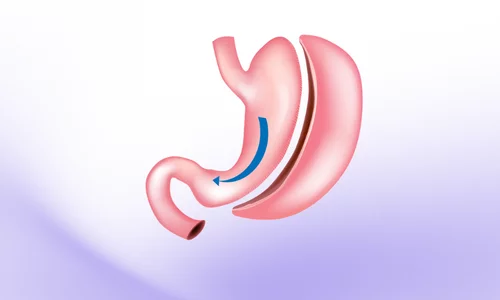
Gastric Sleeve Surgery Gastric sleeve surgery is an established bariatric procedure designed to reduce stomach volume, helping individuals manage portion sizes and work toward sustainable weight management alongside a healthy lifestyle. Our surgical teams, clinical nutritionists, and international patient coordinators collaborate to deliver a structured approach tailored to your medical needs. What Is Gastric Sleeve Surgery? During this procedure, approximately 75% to 80% of the stomach is removed through minimally invasive laparoscopic surgery, leaving a slender, vertical sleeve. The digestive continuity of the intestinal tract remains intact, allowing natural nutrient transit without intestinal rerouting. The procedure assists weight regulation through two primary mechanisms: Portion Management: A reduced gastric reservoir enables individuals to feel full after consuming smaller amounts of food. Hormonal Regulation: Resection of the gastric fundus—the area primarily responsible for ghrelin (hunger hormone) production—can help reduce appetite triggers and constant hunger sensations. Potential Health Benefits In addition to supporting weight reduction, gastric sleeve surgery may help improve or manage several metabolic conditions associated with obesity: Type 2 Diabetes: Supports glycemic control, often allowing patients to reduce medication or insulin reliance under clinical supervision. Hypertension: Weight reduction can alleviate cardiovascular strain, contributing to improved blood pressure readings. Sleep Apnea: Relieving physical load on the upper airway can enhance sleep architecture and reduce nocturnal breathing pauses. Joint and Spinal Discomfort: Reduced mechanical load on the lower back, hips, and knees often facilitates greater mobility. Hepatic Steatosis (Fatty Liver): Weight loss can aid in diminishing hepatic lipid accumulation and improving liver parameters. Candidate Considerations Individuals presenting with a Body Mass Index (BMI) of 40 kg/m² or higher, Individuals with a BMI between 35 and 39.9 kg/m² combined with obesity-related health concerns such as diabetes, hypertension, or sleep apnea, Patients who have found conventional lifestyle modifications and dietary programs insufficient for long-term weight control, Individuals committed to following post-operative dietary protocols and adopting permanent lifestyle adaptations. Final surgical eligibility is determined exclusively following detailed pre-operative clinical workups, endoscopic evaluations, and multidisciplinary consultations at our hospital. Surgical Pathway Comprehensive Clinical Screening: Prior to intervention, patients undergo exhaustive laboratory testing, abdominal imaging, endoscopic screening, and specialist evaluations. Laparoscopic Technique: The operation is performed through small abdominal port sites using high-resolution video equipment rather than wide surgical incisions. Procedural Safety: The surgical duration typically ranges between 45 and 60 minutes, during which intraoperative integrity and leak testing are routinely conducted. Post-Operative Progression and Nutrition The minimally invasive laparoscopic approach is intended to minimize tissue trauma and encourage early ambulation: Inpatient Stay: Patients are generally mobilized within hours following surgery. The standard observational stay spans 2 to 3 days prior to planned discharge. Graduated Nutrition Protocol: To allow appropriate tissue adaptation, patients progress through an initial liquid diet, followed by puréed and soft food phases, before reintroducing balanced solid nutrition under professional guidance. Weight Reduction Considerations Weight loss trajectories vary according to individual metabolic rates, baseline BMI, and adherence to medical nutrition guidelines: First Month: Depending on individual factors, an initial loss of approximately 8 to 12 kg is frequently observed. Six Months: Patients may achieve an estimated reduction of around 50% of their excess body weight during this interval. First Year: With consistent nutritional adherence and regular light physical activity, an average reduction of 60% to 75% of excess weight can be targeted. Clinical Features of Our Services Experienced Surgical Faculty: Bariatric surgeons with extensive caseload records in minimally invasive metabolic procedures. Coordinated Logistics: Airport transfers, designated accommodation options, and hospital provisions for an accompanying guest. Multilingual Patient Care: Native-speaking translators and dedicated coordinators facilitating clear communication throughout your stay. Post-Discharge Nutritional Follow-Up: Continued guidance from bariatric dietitians via remote consultations once you return home.
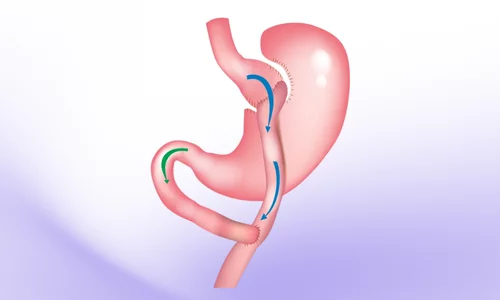
Gastric Bypass Surgery (Roux-en-Y) Gastric bypass surgery is a well-established bariatric and metabolic procedure designed to support sustainable weight management by both reducing stomach capacity and modifying the nutrient pathway. Our clinical team, bariatric nutritionists, and international patient coordinators work collaboratively to deliver structured care tailored to your health profile. What Is Gastric Bypass Surgery? During this procedure, the surgeon partitions the upper stomach to form a small gastric pouch with a capacity of approximately 15 to 30 ml. A segment of the small intestine (jejunum) is then divided and directly connected to this new pouch. Consequently, ingested food bypasses the remaining stomach and the initial segment of the small intestine (duodenum). The surgery aids weight regulation through two primary actions: Restrictive Mechanism: The reduced stomach volume limits portion sizes, encouraging an early sensation of satiety. Metabolic and Malabsorptive Mechanism: Early delivery of nutrients to the lower intestine promotes beneficial gut hormone shifts (such as GLP-1) and helps dampen persistent appetite triggers. Potential Health Benefits In addition to significant weight reduction, gastric bypass may offer therapeutic support for several chronic metabolic conditions: Type 2 Diabetes: Hormonal changes often improve glycemic stability, frequently allowing patients to reduce medication reliance under clinical supervision. Gastroesophageal Reflux (GERD): Because acid production in the tiny pouch is minimal and anatomy is redirected, it is widely considered an effective surgical option for severe reflux. Hypertension: Decreased overall body mass can alleviate cardiovascular strain, helping stabilize arterial blood pressure. Obstructive Sleep Apnea: Reducing fat deposits around the upper airway often improves nighttime breathing patterns and overall sleep quality. Joint and Lumbar Relief: Lowering physical loads on weight-bearing joints such as the hips, knees, and lumbar spine may enhance daily mobility. Suitable Candidate Profiles Individuals presenting with a Body Mass Index (BMI) of 40 kg/m² or higher, Individuals with a BMI between 35 and 39.9 kg/m² accompanied by serious metabolic disorders such as diabetes, hypertension, or severe GERD, Patients who have not achieved long-term weight maintenance through conventional dietary and exercise programs, Candidates willing to adhere to lifelong daily vitamin/mineral supplementation and structured dietary guidelines. Final clinical eligibility is determined strictly through comprehensive pre-operative screening, endoscopy, and multidisciplinary assessments at our medical facilities. Surgical Pathway Pre-Operative Assessment: Complete blood panels, abdominal imaging, upper endoscopy, and cardio-pulmonary clearances are conducted prior to surgery. Minimally Invasive (Laparoscopic) Technique: The procedure is executed using slender surgical instruments and high-definition cameras inserted through tiny abdominal ports. Procedural Steps: Taking approximately 60 to 90 minutes, the operation incorporates specialized intraoperative testing to verify the security of the internal connections (anastomoses). Recovery and Post-Operative Nutrition The minimally invasive laparoscopic method aims to limit surgical discomfort and support rapid mobilization: Hospital Stay: Patients are generally encouraged to walk a few hours post-surgery. The typical inpatient monitoring period lasts 2 to 3 days. Graduated Nutrition Protocol: To safeguard the new gastric pouch and intestinal seams, patients progress through an initial liquid diet, followed by smooth purees and soft foods, before safely transitioning to balanced solids. Expected Weight Loss Patterns The rate of weight reduction varies according to metabolic parameters, baseline BMI, and adherence to dietary instructions: First Month: An initial reduction of roughly 8 to 12 kg is frequently observed, depending on individual factors. First 6 Months: Patients often shed approximately 50% to 60% of their excess body weight during this timeframe. At 1 Year: Combined with proper nutritional discipline and moderate physical activity, an average reduction of 70% to 80% of excess weight can be targeted. Why Choose Our Services? Experienced Bariatric Surgeons: Specialized surgeons with extensive casework in advanced laparoscopic metabolic procedures. Complete Care Coordination: Dedicated VIP airport transfers, comfortable partner hotel accommodation, and provisions for a companion. Multilingual Patient Support: Dedicated coordinators and professional interpreters assisting you in your native language throughout your stay. Remote Post-Discharge Nutrition Support: Continuous online follow-up from bariatric dietitians to monitor your nutritional status once you return home.
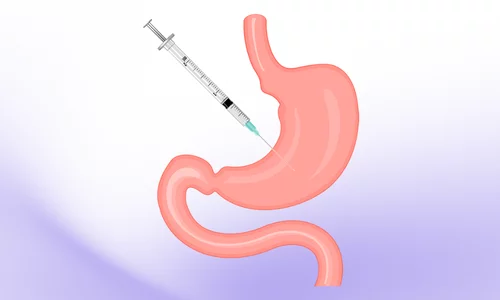
Gastric Botox Application Gastric Botox is a non-surgical, incision-free weight management procedure designed to relax stomach muscles, slow gastric emptying, and support appetite control via endoscopic injection of botulinum toxin. Our experienced gastroenterologists, bariatric surgeons, nutritionists, and international patient coordinators collaborate to guide you toward your health and wellness goals. What Is Gastric Botox? During this outpatient procedure, botulinum toxin is precisely injected into the muscular layer of specific areas of the stomach using a flexible endoscope inserted through the mouth. The procedure involves no surgical incisions, no tissue resection, and no permanent anatomical alteration of the digestive tract. The procedure assists weight management through two primary mechanisms: Delayed Gastric Emptying: By temporarily moderating the contractile strength of gastric smooth muscles, food remains in the stomach longer, promoting prolonged satiety between meals. Appetite Regulation: Injections targeted near the gastric fundus—where the hunger-stimulating hormone ghrelin is produced—can help curb sudden cravings and facilitate portion moderation. Potential Health Benefits By assisting in gradual weight control, Gastric Botox can contribute positively to overall well-being: Stabilized Glycemic Levels: Slower digestion supports more gradual glucose absorption, helping avoid sharp blood sugar spikes after meals. Portion Discipline: Assisting early fullness helps individuals adapt more comfortably to balanced, calorie-conscious meal plans. Enhanced Vitality: The initial reduction in excess weight relieves physical sluggishness, encouraging greater daily activity. Suitable Candidate Profiles Individuals presenting with a Body Mass Index (BMI) between 27 and 35 kg/m² who do not meet criteria for bariatric surgery, Patients struggling to lose the last 10 to 15 kg despite regular diet and exercise regimens, Those seeking a non-invasive, reversible method without incisions or scarring, Candidates motivated to maintain nutritional discipline and follow a dietitian-guided lifestyle plan. Final eligibility is determined following an initial endoscopic examination to rule out active peptic ulcers, gastritis, or severe esophageal lesions. Procedural Pathway Pre-Procedural Endoscopy: The stomach lining is carefully inspected via camera to ensure no active mucosal contraindications exist prior to injection. Sedation Comfort: Performed under light sedation, the endoscopic procedure takes approximately 15 to 20 minutes without airway intubation or sharp pain. Same-Day Discharge: Because it is completely non-surgical, patients rest in observation for 1 to 2 hours before being discharged to resume daily routines. Recovery and Post-Procedure Nutrition The clinical effects of Gastric Botox emerge within 3 to 7 days post-treatment and remain active for approximately 4 to 6 months: Initial Days: Mild, lukewarm liquids and soft foods are recommended during the first 48 to 72 hours to ease digestive adaptation. Structured Nutritional Plan: The physiological fullness provided by the procedure should be paired with a balanced, high-protein, fiber-rich nutrition plan curated by a bariatric dietitian, avoiding carbonated, sugary, and heavy fried foods. Expected Weight Reduction Patterns Weight loss outcomes vary depending on metabolic rate, baseline weight, and adherence to lifestyle adjustments: Average Outcome: Patients typically target a reduction of approximately 10% to 15% of their total body weight over the 4-to-6-month therapeutic window. Long-Term Sustainability: Because the biological effect of the toxin is temporary, adopting lasting dietary habits during this interval is essential to maintaining results. Why Choose Our Services? Skilled Endoscopic Specialists: Advanced expertise in therapeutic endoscopy and non-surgical metabolic interventions. Complete Care Coordination: Dedicated VIP airport transfers, hotel arrangements, and companion accommodation options. Multilingual Patient Care: Personal coordinators and interpreters assisting you in your native language at every phase. Extended Remote Dietitian Support: Continuous online nutritional consultations to guide your food choices once you return home.
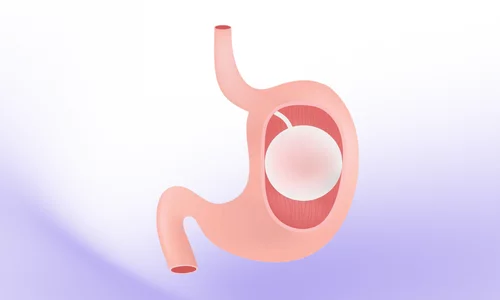
Gastric Balloon Procedure The gastric balloon is a non-surgical, reversible bariatric intervention designed to temporarily reduce functional stomach capacity through the placement of a fluid- or air-filled medical silicone balloon, initiating effective weight management without incisions or permanent anatomical alteration. Our team of gastroenterologists, bariatric surgeons, clinical dietitians, and international patient coordinators collaborate to guide you toward lasting, healthy lifestyle habits. What Is a Gastric Balloon? During this outpatient procedure, a deflated medical-grade silicone balloon is delivered into the stomach endoscopically (or swallowed in capsule form) and inflated with sterile saline solution (often tinted with a biocompatible blue indicator) or medical gas. The marker dye serves as an early safety indicator, visibly changing urine color in the rare event of micro-leakage. The device assists weight management through three main principles: Mechanical Volume Restriction: By occupying roughly 400 to 700 ml of stomach volume, it physically limits the quantity of food consumed during meals. Early Satiation: Gentle distension against gastric mechanoreceptors promotes early neurological signals of fullness after small food quantities. Fully Reversible Nature: The balloon remains in place for 6 to 12 months depending on the specific model, after which it is smoothly deflated and removed endoscopically, preserving completely normal gastrointestinal anatomy. Potential Health Benefits By supporting steady weight reduction, the gastric balloon can facilitate improvements across several metabolic and physical indicators: Glycemic and Insulin Regulation: Portion moderation helps stabilize postprandial glucose levels and improves systemic insulin sensitivity. Cardiovascular Support: Gradual weight loss reduces arterial load, contributing to improved blood pressure readings. Improved Sleep and Respiration: Decreasing upper-body adipose tissue can reduce snoring and alleviate symptoms of obstructive sleep apnea. Joint Decompression: Reduced body mass alleviates mechanical stress on weight-bearing joints, including the knees and lumbar spine. Candidate Considerations Individuals presenting with a Body Mass Index (BMI) between 27 and 35 kg/m² who are not direct candidates for surgical bariatric procedures, Patients requiring initial preoperative weight reduction to lower perioperative risks before major elective surgeries, Individuals who have struggled to achieve sustained weight loss through conventional dietary and exercise programs alone, Candidates dedicated to using the treatment window to establish long-term nutritional discipline under professional dietary supervision. Final clinical eligibility is established via endoscopic screening to verify the absence of large hiatal hernias, active gastric ulcerations, or severe esophageal disorders. Procedural Pathway Endoscopic Pre-Screening: The gastric mucosa is evaluated under light sedation to ensure the absence of acute inflammation or ulcers prior to placement. Balloon Delivery and Inflation: The deflated balloon is positioned in the gastric fundus and inflated with sterile saline solution; the entire procedure takes approximately 15 to 20 minutes. Same-Day Discharge: Because there are no incisions or surgical sutures, patients rest in recovery for 1 to 2 hours before safely returning to their accommodation. Recovery and Post-Procedure Nutrition The stomach requires a short transition period of 3 to 4 days to adjust to the physical presence of the balloon: Adaptation Phase: Temporary abdominal cramping or nausea may occur initially; these sensations are managed effectively with prescribed supportive medications and resolve within a few days. Graduated Dietary Plan: Patients begin with clear liquids, smoothly transition to pureed and soft consistencies, and eventually resume balanced solid meals under the guidance of a bariatric dietitian. Expected Weight Loss Patterns Weight loss trajectories vary according to individual metabolic rates, baseline body mass, and dietary compliance: Initial Month: An early reduction of approximately 4 to 8 kg is commonly observed during the adaptation and liquid-to-soft transition phases. 6 to 12 Month Window: Patients typically target a reduction of 10% to 20% of their total body weight (equivalent to roughly 30% to 50% of excess body weight). Long-Term Sustainability: Preserving weight reduction after balloon removal relies upon maintaining the healthy nutritional habits and portion control cultivated during the active treatment period. Why Choose Our Services? Experienced Gastroenterology Specialists: Board-certified physicians with extensive caseload records in endoluminal bariatric interventions. Comprehensive Care Logistics: VIP airport transfers, selected hotel accommodations, and companion arrangements. Native-Language Assistance: Dedicated patient coordinators providing clear, reassuring communication throughout every step of your medical journey. Continuous Remote Dietary Monitoring: Ongoing online consultations with specialized bariatric nutritionists throughout the balloon retention period and beyond.
At BNC Healthcare, we provide international patients with reliable, high-standard healthcare services tailored to their individual needs. With experienced specialists, professional Patient Care Consultants, and a dedicated healthcare team, we support our patients at every stage from consultation and treatment to post-treatment care.
 en
 Türkçe
 Deutsch
 Spanish
 French
 Russian
 Polish
 Italian