
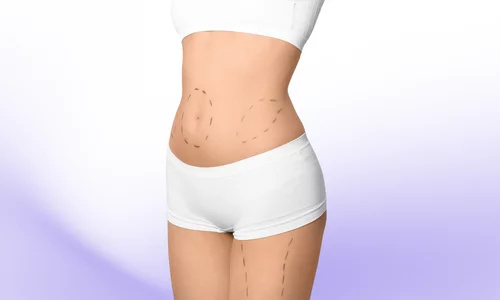
Liposuction Surgery Liposuction is an established body-contouring procedure designed to remove persistent, diet- and exercise-resistant localized fat deposits, refining body proportions and sculpting a more harmonious silhouette. Our experienced board-certified plastic surgeons, medical support teams, and international patient coordinators work collaboratively to deliver personalized, safe aesthetic outcomes. What Is Liposuction? During this surgical intervention, fine specialized tubes (cannulas) are introduced through tiny, discrete incisions to aspirate localized fat deposits from areas such as the abdomen, flanks (love handles), hips, thighs, upper arms, back, or submental region (double chin). Modern techniques often incorporate advanced VASER (ultrasonic) or laser-assisted modalities to liquefy fat cells prior to aspiration, preserving surrounding blood vessels, nerves, and connective tissues. The core principles of the procedure include: Targeted Silhouette Sculpting: The primary objective is architectural contour refinement and proportionality rather than systemic weight reduction. Permanent Cellular Extraction: Because adult fat cells do not multiply, the cells removed during the procedure are permanently eliminated. Tissue-Respecting Modern Technologies: Contemporary ultrasonic and laser methods encourage skin retraction and minimize intraoperative tissue trauma. Potential Aesthetic Benefits Liposuction can significantly improve body harmony and silhouette definition: Defined Anatomical Contours: Helps create smoother transitions along the waistline, hips, and abdomen. Improved Wardrobe Fit: Facilitates greater comfort and ease when wearing tailored clothing. Enhanced Body Confidence: Helps patients feel more at ease and self-assured with their physical proportions. Skin Retraction Support: In patients with adequate baseline skin tone, modern energy-assisted techniques help promote firmer contours. Suitable Candidate Profiles Individuals near their stable target weight with localized pockets of stubborn adipose tissue, Candidates experiencing isolated fullness in areas unresponsive to consistent fitness and dietary regimens, Individuals possessing adequate skin elasticity capable of redraping smoothly over reduced underlying volume, Non-smokers in good overall health with realistic aesthetic expectations. Final surgical suitability is determined following a comprehensive physical consultation and skin elasticity evaluation at our hospital. Surgical Pathway Pre-Operative Assessment: Anatomical markings are drawn while the patient is standing, with careful assessment of fat distribution and skin tension. Anesthesia and Procedure: Performed under general anesthesia or twilight sedation depending on the treated volume, usually lasting between 1 and 3 hours. Inconspicuous Incisions: Tiny 3-to-4 mm incisions are carefully concealed within natural creases or swimsuit lines, fading progressively over time. Recovery and Compression Protocol Post-operative tissue healing requires structured aftercare to ensure optimal skin redraping: Compression Garment Wear: A medical compression garment must be worn consistently for 3 to 6 weeks to control swelling and support skin adhesion. Resuming Daily Routine: Most patients comfortably return to sedentary desk activities within 4 to 7 days, with light walking encouraged from day one. Resolution of Swelling: Fluid retention and minor bruising subside gradually over initial weeks, with final contour definition settling between 3 and 6 months. Long-Term Maintenance Considerations The longevity of liposuction outcomes is directly influenced by long-term wellness habits: Weight Stability: While the excised fat cells are permanently removed, remaining fat cells can still expand with substantial weight gain; maintaining a balanced diet is essential. Active Lifestyle: Resuming regular fitness routines once fully healed protects and accentuates the newly sculpted contours for years to come. Why Choose Our Services? Skilled Plastic Surgeons: Certified specialists with deep clinical experience in high-definition and energy-assisted liposuction techniques. Seamless Care Coordination: Dedicated VIP airport transfers, premium partner hotel accommodations, and companion amenities. Multilingual Patient Care: Personal coordinators and native interpreters assisting you at every stage of your surgical journey. Remote Follow-Up: Continuous online clinical monitoring to ensure smooth recovery once you return home.
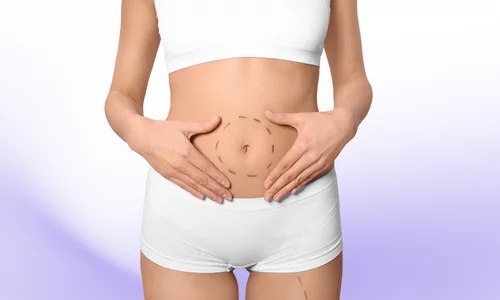
Tummy Tuck Surgery (Abdominoplasty) Tummy tuck surgery, or abdominoplasty, is a major body-contouring procedure designed to excise excess, sagging abdominal skin, repair separated abdominal wall muscles (diastasis recti), and restore a firmer, flatter torso contour following pregnancy or substantial weight loss. Our certified plastic surgeons, dedicated clinical staff, and international patient coordinators work together to guide you toward safe, harmonious aesthetic outcomes. What Is Tummy Tuck Surgery? During this surgical intervention, a horizontal incision is placed discretely along the lower abdomen, typically within the bikini line. The surgeon elevates the abdominal skin and adipose tissue to directly inspect and plicate the rectus abdominis muscles with internal permanent sutures, restoring muscular tone. Excess loose skin below the navel is meticulously resected, and the remaining healthy tissue is drawn downward, with the umbilicus (belly button) repositioned into a natural anatomical aperture. The core elements of the operation include: Muscular Wall Tightening: Repairing diastasis recti flattens abdominal bulging and re-establishes a defined waistline profile. Dermal Resection: Eliminating loose, overstretched skin and lower abdominal stretch marks (striae) creates a smoother surface. Combined Contouring: Can be combined with liposuction of the flanks to achieve a balanced, sculpted silhouette. Potential Aesthetic and Functional Benefits Abdominoplasty provides both visual transformation and functional physical comfort: Firm, Toned Abdominal Contour: Removes drooping skin aprons, providing a smooth profile under fitted attire. Core Postural Support: Reinforcing abdominal wall musculature enhances torso stability and can help relieve chronic compensatory lower back strain. Reduction of Skin Irritations: Eliminating overlapping skin folds reduces moisture buildup, chafing, and associated friction rashes. Restored Personal Confidence: Helps individuals feel more comfortable and confident in their everyday body image. Suitable Candidate Profiles Women experiencing persistent muscle separation or excess skin laxity following pregnancies, Individuals left with loose, hanging abdominal aprons after bariatric surgery or massive weight reduction, Individuals near their stable goal weight whose abdominal contours do not improve through exercise and diet alone, Non-smokers in good overall health who have completed their family planning. The exact surgical approach (full abdominoplasty, extended, or mini tummy tuck) is determined following a comprehensive in-person anatomical evaluation at our hospital. Surgical Pathway Pre-Operative Assessment: Anatomical markings are drawn while standing, measuring muscle divergence, excess skin margins, and scar placement. Anesthesia and Surgery: Performed under general anesthesia, taking approximately 2 to 3.5 hours depending on procedural complexity. Incision Strategy: Incisions are positioned low within swimwear boundaries; temporary surgical drains may be placed to prevent fluid accumulation (seroma). Recovery and Compression Protocol Strict adherence to aftercare guidelines ensures smooth wound healing and proper tissue adhesion: Compression Garment Wear: A medical compression corset is worn continuously for 4 to 6 weeks to minimize edema and support the reconstructed muscular wall. Resting Posture: Patients are advised to walk with a slight forward flex and sleep with knees elevated during the first week to alleviate tension on suture lines. Resuming Activities: Desk work and light ambulation can typically resume within 10 to 14 days, while heavy lifting and core workouts are paused for 6 to 8 weeks. Long-Term Maintenance Considerations The structural improvements achieved through abdominoplasty can endure for many years: Weight Stability: Avoiding major weight fluctuations is critical to preserving abdominal tightness and contour integrity. Future Pregnancies: While subsequent pregnancy is medically safe, it can re-stretch the repaired abdominal wall, which is why postponing the procedure until childbearing is complete is advised. Why Choose Our Services? Skilled Plastic Surgeons: Certified specialists with profound expertise in advanced body-contouring and combined aesthetic procedures. Seamless Care Coordination: Dedicated VIP airport transfers, partner hotel accommodations, and companion arrangements. Multilingual Patient Care: Personal coordinators and interpreters assisting you in your native language at every stage. Remote Follow-Up: Continuous telemedicine monitoring to review incision healing and recovery once you return home.

Rhinoplasty (Nose Aesthetics Surgery) Rhinoplasty is an established aesthetic and functional surgical procedure designed to reshape the nose in harmony with facial proportions while correcting internal structural deviations to improve nasal airflow. Our experienced plastic surgeons, ENT specialists, medical staff, and international patient coordinators collaborate to deliver a personalized, balanced surgical plan tailored to your facial architecture. What Is Rhinoplasty? During this procedure, the underlying bone and cartilaginous framework of the nose is delicately recontoured to address concerns such as a dorsal hump, drooping or bulbous nasal tip, asymmetry, or wide nostrils. Concurrently, internal functional issues—such as a deviated septum (septoplasty) or enlarged turbinates—can be corrected during the same operative session. Contemporary rhinoplasty frequently utilizes ultrasonic Piezo technology, allowing micrometric bone shaping while preserving delicate blood vessels, nerves, and mucosal tissues. The core principles of the procedure include: Proportionate Facial Balance: Designing a nose that complements the forehead, cheekbones, lips, and chin rather than applying a standardized appearance. Structural Preservation and Function: Preserving structural nasal support and widening restricted internal airways to ensure unhindered breathing. Tissue-Respecting Modern Technologies: Piezo ultrasonic instrumentation sculpts nasal bones without thermal or blunt tissue trauma, helping minimize post-operative swelling and bruising. Potential Aesthetic and Functional Benefits Rhinoplasty can achieve significant aesthetic balance alongside improved respiratory ease: Harmonious Profile: Smoothing a prominent nasal bridge or refining the nasal tip creates a more balanced, natural facial profile. Enhanced Breathing Comfort: Relieving internal obstructions supports better airflow during daytime physical activity and restful night sleep. Boosted Personal Confidence: Aligning facial proportions can enhance personal comfort, self-image, and social confidence. Improved Sleep Quality: Opening obstructed passages helps decrease mouth-breathing, dry throat upon waking, and snoring. Suitable Candidate Profiles Individuals concerned with an aesthetic hump, crooked nasal axis, or drooping nasal tip, Patients experiencing chronic nasal obstruction related to anatomical structural deviations, Candidates who have completed their facial skeletal development (generally 18 years of age or older), Non-smokers in good overall health with balanced, realistic expectations regarding surgical outcomes. Final surgical planning (open vs. closed technique, ultrasonic Piezo integration) is determined following detailed 3D imaging consultations and endoscopic examinations at our hospital. Surgical Pathway Comprehensive Clinical Assessment: Nasal endoscopy evaluates airway patency, accompanied by detailed facial photography and digital aesthetic modeling. Anesthesia and Procedure: Performed under general anesthesia, the surgery typically takes between 2 and 3 hours depending on anatomical complexity. Modern Supportive Splints: Instead of traditional cloth packing, soft silicone internal breathing splints and a light thermoplastic external cast are placed to protect the nasal framework. Recovery and Aftercare Guidelines Adhering to post-operative guidelines ensures smooth bone consolidation and optimal swelling reduction: Removal of Splints and Cast: The protective external thermoplastic cast and internal silicone splints are removed gently and painlessly around day 6 or 7. Initial Days of Care: Keeping the head elevated, applying intermittent cold compresses to the cheek area for the first 48 hours, and using sterile nasal saline sprays are recommended. Resuming Daily Routine: Most patients comfortably resume non-strenuous daily activities once the external splint is removed; contact sports and eyewear should be avoided for the timeframe designated by your surgeon. Long-Term Maintenance and Maturation While anatomical refinement is achieved during surgery, tissue maturation is a progressive, dynamic journey: Swelling Resolution: Visible bruising and noticeable swelling subside largely within the first few weeks, whereas subtle tip definition refines gradually over 6 to 12 months depending on skin thickness. Protecting Results: Protecting the nose from accidental physical impacts during the consolidation phase is critical to preserving structural refinement. Why Choose Our Services? Skilled Facial and Plastic Surgeons: Specialists with extensive procedural records in structural, preservation, and revision rhinoplasties. Ultrasonic Piezo Technology: Advanced instrumentation that reshapes bone precisely without traumatizing surrounding soft tissues. Comprehensive Travel Coordination: Dedicated VIP airport transfers, partner hotel accommodations, and companion amenities. Multilingual Patient Care: Personal coordinators and native interpreters assisting you at every stage, supported by ongoing remote digital follow-ups.
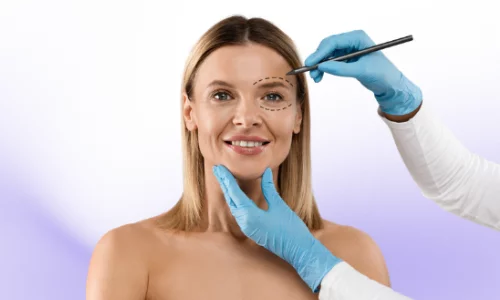
Eyelid Surgery (Blepharoplasty) Eyelid surgery (blepharoplasty) is a specialized surgical procedure designed to correct drooping skin, muscle laxity, and localized fat deposits on the upper and lower eyelids, revitalizing tired-looking eyes and restoring a refreshed, alert facial appearance. Our board-certified plastic surgeons, surgical teams, and international patient coordinators work collaboratively to deliver personalized, safe aesthetic outcomes. What Is Eyelid Surgery? Blepharoplasty can be performed on the upper lids, lower lids, or both concurrently. In upper blepharoplasty, an incision is discreetly concealed within the natural supratarsal crease to resect excess skin and remodel herniated fat, relieving visual obstruction and heaviness. Lower blepharoplasty addresses prominent under-eye bags and hollows through incisions made just beneath the lower lash line or inside the eyelid (transconjunctival approach), repositioning or sculpting orbital fat without external visible scars. The core principles of the procedure include: Preserving Natural Expression: The goal is to refresh the eye area without creating an artificial, startled, or excessively tightened look. Functional Restoration: Removing excessive upper lid skin hooding expands the upper and peripheral field of vision. Concealed Incisions: Incision lines are planned along natural anatomic folds and margins, rendering post-healing scars nearly imperceptible. Potential Aesthetic and Functional Benefits Blepharoplasty provides substantial cosmetic rejuvenation paired with daily visual comfort: Rested, Youthful Gaze: Replaces a chronically fatigued, aged appearance with bright, refreshed ocular contours. Expanded Field of Vision: Relieving heavy skin curtains over the eyelashes improves peripheral vision and diminishes forehead fatigue caused by compensatory brow lifting. Smooth Under-Eye Transition: Blending under-eye puffiness and tear troughs establishes a smooth transition into the upper cheeks. Ease in Daily Grooming: Restoring a visible eyelid platform allows smoother, smudge-free application of eye makeup. Suitable Candidate Profiles Individuals with sagging upper eyelid skin causing heaviness or visual restriction, Patients experiencing persistent under-eye bags, puffiness, or deep tear troughs, Men and women seeking to diminish an aged, tired appearance around the eyes, Non-smokers in good overall health with controlled ocular parameters and realistic aesthetic goals. The exact surgical approach (upper, lower, or quadri-blepharoplasty) is established following a comprehensive clinical evaluation and tear-film assessment at our hospital. Surgical Pathway Pre-Operative Assessment: Eyelid skin elasticity, fat pad volume, and dry eye parameters are meticulously measured in seated and supine positions. Anesthesia and Procedure: Upper lid surgery is routinely performed under local anesthesia with light sedation (45 to 60 minutes); combined four-lid procedures typically take 1.5 to 2 hours under deep sedation or general anesthesia. Fine Closure: Micro-sutures close incisions cleanly, accompanied by narrow protective dressing strips that leave vision unobstructed. Recovery and Aftercare Guidelines Following post-operative recommendations helps mitigate swelling and encourages prompt tissue healing: Initial Days of Care: Applying intermittent cold compresses across the cheek/eye margins for the first 48 hours helps limit bruising and swelling; resting with the head elevated is advised. Suture Removal: Fine external sutures are gently and painlessly removed after 5 to 7 days. Resuming Daily Routine: Most patients comfortably return to desk work and low-key social settings within 5 to 7 days; sunglasses are recommended outdoors, while strenuous workouts should be deferred for 2 to 3 weeks. Long-Term Maintenance and Durability The structural benefits achieved through blepharoplasty are long-lasting: Permanent Tissue Removal: Excised skin and recontoured fat pockets do not return; natural facial maturation continues normally from this refreshed baseline. Peri-Ocular Care: Daily broad-spectrum sun protection, quality sleep, and consistent skincare will help sustain the illuminated, firm appearance for years. Why Choose Our Services? Skilled Oculoplastic and Plastic Surgeons: Specialists with extensive procedural records in delicate periorbital surgical interventions. Comprehensive Care Logistics: Dedicated VIP airport transfers, selected hotel accommodations, and companion amenities. Multilingual Patient Care: Personal coordinators and native interpreters assisting you at every stage of your surgical journey. Remote Follow-Up: Continuous online clinical monitoring to evaluate incision maturation once you return home.
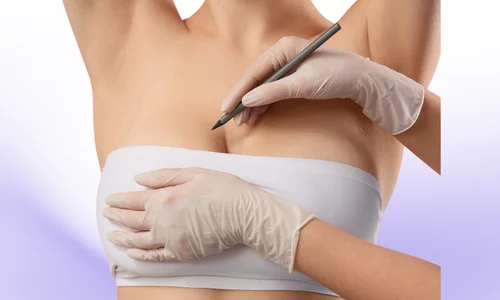
Breast Augmentation Surgery (Augmentation Mammaplasty) Breast augmentation is an established aesthetic surgical procedure designed to enhance breast volume, refine shape, and restore upper-pole fullness following pregnancy, significant weight fluctuations, or natural hypoplasia. Our board-certified plastic surgeons, dedicated surgical teams, and international patient coordinators collaborate to deliver a personalized, balanced surgical plan tailored to your body proportions. What Is Breast Augmentation? During this surgical intervention, medical-grade cohesive gel silicone implants—or, in select cases, autologous fat transfer—are utilized to augment breast size and contour. Implants are available in round or anatomical (teardrop) profiles and are inserted through discreet incisions placed along the inframammary fold, periareolar margin, or axillary crease. Depending on the patient's native soft-tissue thickness and ribcage anatomy, the implant can be positioned beneath the pectoral muscle (subpectoral/dual plane), above the muscle (subglandular), or beneath the muscular fascia (subfascial). The core elements of the procedure include: Harmonious Proportion: Sizing is selected based on individual chest width, shoulder breadth, and torso symmetry rather than arbitrary volumes. Soft-Tissue Respect: Native glandular tissue, skin elasticity, and soft-tissue coverage are carefully preserved during pocket dissection. Advanced Medical Implants: State-of-the-art, FDA-approved cohesive silicone gel implants with micro-textured or smooth shells designed for maximum rupture resistance. Potential Aesthetic Benefits Breast augmentation provides both structural rejuvenation and balanced physical symmetry: Full, Proportioned Contours: Corrects developmental asymmetry and provides a natural fullness to the breasts. Enhanced Silhouette in Attire: Improves how swimwear, formal wear, and everyday clothing fit across the bustline. Restoration of Post-Pregnancy Volume: Replenishes empty or deflated upper-pole fullness following nursing or hormonal shifts. Restored Personal Confidence: Helps patients feel more aligned and confident with their overall feminine silhouette. Suitable Candidate Profiles Individuals seeking to enhance naturally small breast volume, Patients experiencing pronounced developmental volume asymmetry between the breasts, Women with post-pregnancy or post-weight-loss breast tissue deflation and mild laxity, Candidates who have completed breast development (typically 18 years of age or older), in good general health with realistic aesthetic goals. The exact surgical approach (implant profile, volume, and pocket plane) is determined following a comprehensive physical consultation and 3D simulation analysis at our hospital. Surgical Pathway Pre-Operative Assessment: Precise measurements of breast base width, sternal notch-to-nipple distance, and soft-tissue pinch tests guide implant selection. Anesthesia and Procedure: Performed under general anesthesia, the operation typically lasts between 1 and 1.5 hours. Discreet Incisions: Incisions are predominantly placed within the natural inframammary crease, healing into fine, discreet lines over time. Recovery and Post-Operative Support Bra Protocol Following post-operative recommendations helps mitigate swelling and encourages prompt tissue healing: Medical Support Bra Wear: A specialized, seamless compression sports bra must be worn day and night for 4 to 6 weeks to stabilize implant position and minimize edema. Resting Posture: Sleeping on the back with the upper body slightly elevated is recommended during initial weeks to avoid lateral pressure on the implants. Resuming Daily Routine: Most patients comfortably return to sedentary desk activities within 5 to 7 days; vigorous upper-body exercise, lifting, and swimming should be deferred for 6 weeks. Long-Term Maintenance and Durability The aesthetic benefits achieved through modern breast augmentation are long-lasting: Implant Longevity: Contemporary cohesive silicone gel implants are highly durable and do not require scheduled replacements in the absence of mechanical failure or capsular contracture. Mammography Compatibility: Implants do not prevent routine breast cancer screenings or mammograms; diagnostic technicians easily apply specific displacement views (Eklund maneuvers). Why Choose Our Services? Skilled Plastic Surgeons: Certified specialists with profound expertise in aesthetic breast contouring and dual-plane pocket techniques. Comprehensive Care Logistics: Dedicated VIP airport transfers, partner hotel accommodations, and companion amenities. Multilingual Patient Care: Personal coordinators and native interpreters assisting you in your native language at every stage. Remote Follow-Up: Continuous online clinical monitoring to evaluate pocket adaptation and wound maturation once you return home.
At BNC Healthcare, we provide international patients with reliable, high-standard healthcare services tailored to their individual needs. With experienced specialists, professional Patient Care Consultants, and a dedicated healthcare team, we support our patients at every stage from consultation and treatment to post-treatment care.
 en
 Türkçe
 Deutsch
 Spanish
 French
 Russian
 Polish
 Italian