

Hair Transplant Surgery Hair transplantation is a minimally invasive micro-surgical restoration procedure designed to redistribute genetically resilient, permanent hair follicles from a dense donor zone into thinning or balding areas caused by androgenetic alopecia or external factors. Our surgical specialists, medical teams, and international coordinators collaborate to design a natural hairline and achieve balanced, lifelike density. What Is Hair Transplant Surgery? In this procedure, follicular units (grafts) are individually harvested from the occipital donor zone—the area between the ears that is biologically resistant to hair-thinning hormones—using precision micromotors. The extracted grafts are preserved in specialized hypothermic solutions and systematically implanted into microscopic recipient sites respecting natural exit angles and growth directions. Contemporary protocols primarily employ Sapphire FUE (utilizing smooth sapphire gemstone blades for tissue incisions) or DHI (Direct Hair Implantation using Choi implanter pens). The core principles of the procedure include: Tailored Anterior Hairline: Formulating a soft, irregular macro- and micro-contour aligned with facial muscle anatomy and age progression. Minimally Invasive Extraction: Micro-punch extraction eliminates linear surgical incisions and scalpel sutures, leaving no visible scarring in the donor field. Natural Angulation and Density: Customizing the angle and orientation of each incision to mimic surrounding native hair growth patterns. Potential Aesthetic Benefits Hair restoration delivers noticeable, long-term enhancements to appearance and confidence: Natural, Fuller Coverage: Restores density across the crown, mid-scalp, and receding temples, revitalizing the overall silhouette. Facial Framing: Reconstructing an age-appropriate hairline rebalances facial thirds and softens features. Resilient Follicular Longevity: Because donor follicles resist dihydrotestosterone (DHT), transplanted hairs maintain their growth characteristics permanently. Non-Shaven Options: Select candidate profiles can undergo DHI procedures without shaving native recipient hair, allowing a discreet return to daily routines. Suitable Candidate Profiles Men and women experiencing androgenetic pattern hair loss, Individuals with adequate donor hair density and donor tissue laxity, Patients with hair loss stemming from burns, surgical scars, or physical trauma, Candidates in good general health with realistic expectations regarding achievable coverage. Final clinical planning and graft allocations are established following high-magnification trichological screening and scalp diagnostics at our hospital. Procedural Pathway Trichological Diagnostics and Hairline Planning: Donor density is mapped and the anterior hairline is custom-drawn with the patient upright. Comfort Anesthesia and Harvesting: The donor area is numbed using needle-free pressure anesthesia; grafts are extracted individually with micro-punches. Recipient Site Creation and Implantation: Incisions are created with sapphire blades or loaded directly into Choi pens, typically spanning 6 to 8 hours. Recovery and Post-Operative Scalp Protocol Strict adherence to post-procedure guidelines protects graft survival during the integration window: Supervised First Wash: The initial hair wash is performed by medical staff; a delicate foam-and-lotion cleansing routine removes crusts over the first 10 days. Shock Loss Phase: Temporary shedding of the transplanted hair shafts occurs between weeks 2 and 6; the underlying follicles remain securely anchored beneath the dermis. Protective Posture: Friction, direct pressure, and head contact must be avoided for 10 days, utilizing an ergonomic neck pillow for supine rest. Growth Timeline and Durability Hair maturation follows a natural, progressive biological cycle: Months 3 to 6: Emerging fine hairs pierce the scalp surface following the resolution of shock loss. At 1 Year: Hairs thicken, gain normal caliber, and deliver their intended density; crown (vertex) restorations may continue maturing up to 15 months. Permanent Retention: The relocated follicles retain their genetic resistance to balding throughout the patient's lifetime. Why Choose Our Services? Experienced Hair Restoration Specialists: Dedicated teams with extensive case records across Sapphire FUE and DHI modalities. Safe Maximum Graft Protocol: Prioritizing dense coverage while safeguarding donor reserves against over-harvesting. Comprehensive Care Logistics: VIP airport transfers, selected hotel accommodations, and companion amenities. Multilingual Patient Care: Personal coordinators assisting you in your native language throughout your stay, with 12 months of remote post-op tracking.
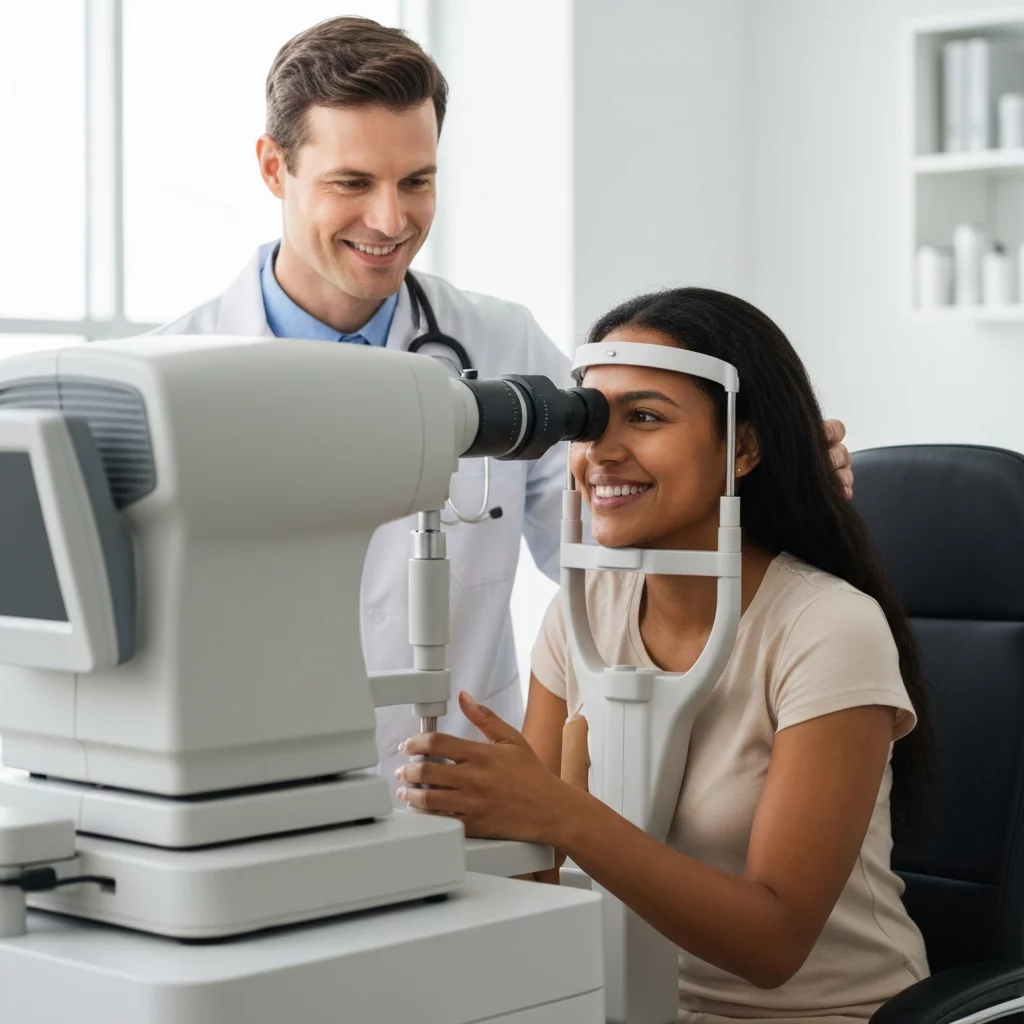
Listedeki son işlem Ophthalmology (Göz Tedavileri / Göz Cerrahisi). Tüm başlıklar ## (h2) formatında, kesinlik bildirmeyen ve yasal açıdan güvenli bir dille, önce Türkçe ardından 6 hedef dilde hazırlandı: TÜRKÇE (TR) Göz Tedavileri ve Cerrahisi (Oftalmoloji) Oftalmoloji birimimiz, kırma kusurlarının düzeltilmesinden ileri cerrahi müdahalelere kadar görme sağlığını korumayı ve optimize etmeyi amaçlayan kapsamlı tanı ve tedavi hizmetleri sunar. Deneyimli göz hastalıkları uzmanlarımız, klinik ekiplerimiz ve uluslararası hasta koordinatörlerimiz, gelişmiş teknolojik altyapıyla göz sağlığınızı güvence altına almak için yanınızda yer alır. Oftalmoloji Kapsamında Neler Yapılır? Göz sağlığı uygulamalarımız, refraktif cerrahi (Lazer Göz Cerrahisi - LASIK, PRK, No-Touch/TransPRK, SMILE), katarakt cerrahisi (Fakoemülsifikasyon ve Trifokal/Akıllı Lens uygulamaları), glokom (göz tansiyonu) tedavileri, kornea hastalıkları ve retina bozukluklarının yönetimini içerir. Son teknoloji tanı cihazlarıyla gözün ön ve arka segmentleri milimetrik hassasiyetle haritalandırılır. Uygulamaların temel nitelikleri şu şekildedir: İleri Teknoloji ve Hassasiyet: Wavefront ve femtosaniye lazer sistemleriyle doku hasarı en aza indirilerek mikro düzeyde güvenli müdahaleler hedeflenir. Kişiselleştirilmiş Tedavi Protokolleri: Her gözün kornea kalınlığı, topografisi ve kırma kusuru profiline özel yöntem belirlenir. Minimal İnvaziv Yaklaşımlar: Göz içi cerrahilerde dikişsiz ve küçük kesili teknikler önceliklendirilerek hızlı iyileşme desteklenir. Potansiyel Tedavi Katkıları Modern oftalmolojik müdahaleler, görme netliği ve yaşam kalitesinde belirgin kazanımlar sunabilir: Gözlük ve Lens Bağımsızlığı: Lazer veya akıllı lens uygulamaları ile miyop, hipermetrop ve astigmat gibi kırma kusurlarının dengelenmesine yardımcı olabilir. Net ve Aydınlık Görüş: Katarakt operasyonları sayesinde matlaşan doğal mercek yenilenerek parlak ve kontrastlı görüş kalitesi yeniden kazanılabilir. Presbiyopi (Yakın Görme) Desteği: Yaşa bağlı yakın görme güçlüklerinde çok odaklı (trifokal) merceklerle uzak, orta ve yakın mesafede dengeli odaklama sağlanabilir. Görme Fonksiyonlarının Korunması: Glokom ve retina takipleri ile sinsi ilerleyen görme kayıplarının önüne geçilmesi desteklenebilir. Kimler İçin Uygun Bir Seçenek Olabilir? Gözlük veya kontakt lens kullanmak istemeyen ve kornea yapısı lazere uygun 18 yaş üzeri bireyler, Katarakt nedeniyle görme kalitesinde azalma yaşayanlar, 40 yaş sonrası yakın görme güçlüğü başlayıp göz içi lens değişimi için uygun kriterleri taşıyanlar, Düzenli göz muayenesi ve ileri tetkik ihtiyacı olan tüm yetişkinler. Nihai cerrahi yaklaşım ve uygunluk, kliniğimizde yapılacak ayrıntılı kornea topografisi, göz tansiyonu ölçümü ve retina taraması sonucunda kesinleşir. Tedavi Süreci Nasıl İlerler? Kapsamlı Göz Taraması: Kornea kalınlığı, pupil çapı, göz dibi (fundus) muayenesi ve biyometrik ölçümler detaylı şekilde gerçekleştirilir. Topikal Damla Anestezisi: Operasyonlar çoğunlukla yalnızca göz damlası ile uyuşturularak iğnesiz ve ağrısız biçimde yürütülür. Hızlı Cerrahi Müdahale: Lazer işlemleri genellikle göz başına birkaç dakika sürerken, katarakt ve lens operasyonları ortalama 15 ila 20 dakikada tamamlanır. İyileşme Süreci ve Bakım Kuralları İşlem sonrasında görme fonksiyonlarının sağlıklı oturması için belirli kurallara dikkat edilmelidir: İlk Günlerde Koruma: İlk 24-48 saat gözlerin ovuşturulmaması, su ile doğrudan temas ettirilmemesi ve koruyucu gözlük kullanılması önerilir. Reçeteli Damlaların Düzenli Kullanımı: Enfeksiyonu önleyici ve iyileşmeyi destekleyici antibiyotikli ve suni gözyaşı damlaları hekimin belirttiği takvimle uygulanmalıdır. Sosyal Hayata Dönüş: Çoğu hasta lazerden sonraki 24 ila 48 saat içinde, lens ameliyatlarından sonra ise birkaç gün içinde normal günlük aktivitelerine dönebilir. Sonuçların Kalıcılığı ve Dikkat Edilmesi Gerekenler Modern göz cerrahisi kalıcı ve uzun vadeli optik iyileşmeler sağlar: Kalıcı Düzeltme: Korneaya uygulanan lazer düzeltmesi ve yerleştirilen yapay göz içi lensler ömür boyu kalıcı özelliktedir. Periyodik Kontroller: Yılda bir kez rutin göz muayenesine devam edilmesi, genel göz sağlığının izlenmesi açısından tavsiye edilir. Neden Tercih Edilmeliyiz? Deneyimli Göz Cerrahları: Refraktif ve katarakt cerrahisinde ileri vaka tecrübesine sahip uzman hekim kadrosu. Yeni Nesil Lazer ve Görüntüleme Teknolojisi: Femtosaniye ve excimer lazer sistemleriyle donatılmış modern ameliyathane altyapısı. Bütüncül Hizmet: Havalimanı VIP transferleri, anlaşmalı otel konaklamaları ve refakatçi ağırlama olanakları. Çok Dilli Rehberlik: Tedavinizin her aşamasında kendi ana dilinizde destek sunan profesyonel koordinatörler ve tercümanlar. ENGLISH (EN) Ophthalmology (Eye Treatments and Surgery) Our ophthalmology department provides comprehensive diagnostic and surgical solutions aimed at optimizing vision, correcting refractive errors, and managing complex ocular conditions. Our certified ophthalmic surgeons, clinical teams, and international coordinators work together to protect and enhance your sight using state-of-the-art medical technology. What Does Ophthalmology Cover? Our ocular care spectrum encompasses refractive laser surgery (LASIK, PRK, No-Touch/TransPRK, SMILE), advanced cataract procedures (phacoemulsification with trifocal/multifocal lens implantation), glaucoma management, corneal disorders, and retinal diagnostics. High-definition diagnostic tools map the anterior and posterior segments of the eye with micrometric accuracy. The core principles of our care include: Precision Technology: Femtosecond and excimer laser platforms ensure minimally invasive tissue ablation and flap creation. Customized Treatment Pathways: Protocols are tailored to each patient's corneal topography, pachymetry, and optical aberrations. Sutureless Interventions: Micro-incisional techniques support rapid tissue rehabilitation and minimized postoperative downtime. Potential Treatment Benefits Modern ophthalmic interventions deliver marked enhancements in visual acuity and daily independence: Freedom from Glasses and Contacts: Laser and premium intraocular lenses effectively correct myopia, hyperopia, and astigmatism. Restored Visual Clarity: Cataract extraction replaces cloudy crystalline lenses with clear implants, restoring bright, high-contrast vision. Presbyopia Solutions: Multifocal and trifocal lenses address age-related near vision decline, facilitating clear sight across near, intermediate, and distance ranges. Sight Preservation: Early diagnostic monitoring prevents silent visual field loss caused by glaucoma or retinal degeneration. Suitable Candidate Profiles Individuals over 18 with stable refractive prescriptions and healthy corneal parameters, Patients experiencing visual degradation or glare from cataracts, Adults over 40 seeking surgical alternatives for reading glasses through refractive lens exchange, Candidates seeking routine screenings or medical management for ocular health. Final eligibility and procedure selection are established through comprehensive corneal topography, tonometry, and fundus examinations at our clinic. Procedural Pathway Comprehensive Ocular Diagnostics: Corneal thickness, pupillometry, wavefront aberrometry, and retina examinations are completed prior to surgery. Topical Anesthetic Drops: Procedures are routinely performed under painless, needle-free topical numbing eye drops. Swift Surgical Execution: Laser ablation typically takes only a few minutes per eye, while cataract and lens exchanges are completed in 15 to 20 minutes. Recovery and Post-Operative Care Adhering to post-operative instructions ensures optimal healing and visual stability: Immediate Protection: Avoid rubbing the eyes, prevent direct water exposure for the first 48 hours, and wear protective shields during sleep. Medicated Eye Drops: Follow the prescribed regimen of antibiotic, anti-inflammatory, and lubricating drops consistently. Resuming Daily Routine: Most laser patients return to routine activities within 24 to 48 hours, while lens surgery patients resume normal routines within a few days. Long-Term Stability and Maintenance Modern eye interventions offer permanent, enduring improvements: Durable Correction: Corneal remodeling from laser treatments and synthetic intraocular lenses provide permanent optical solutions. Annual Check-Ups: Regular annual eye check-ups are recommended to monitor overall ocular health and pressure over time. Why Choose Our Services? Experienced Ophthalmic Surgeons: Specialists with extensive procedural records in refractive laser treatments and premium lens surgery. Cutting-Edge Laser Infrastructure: Modern operating suites equipped with advanced femtosecond and excimer systems. Comprehensive Care Logistics: VIP airport transfers, partner hotel accommodations, and companion amenities. Multilingual Patient Support: Dedicated coordinators and interpreters providing clear communication in your native language throughout your stay.
At BNC Healthcare, we provide international patients with reliable, high-standard healthcare services tailored to their individual needs. With experienced specialists, professional Patient Care Consultants, and a dedicated healthcare team, we support our patients at every stage from consultation and treatment to post-treatment care.
 en
 Türkçe
 Deutsch
 Spanish
 French
 Russian
 Polish
 Italian